.webp)
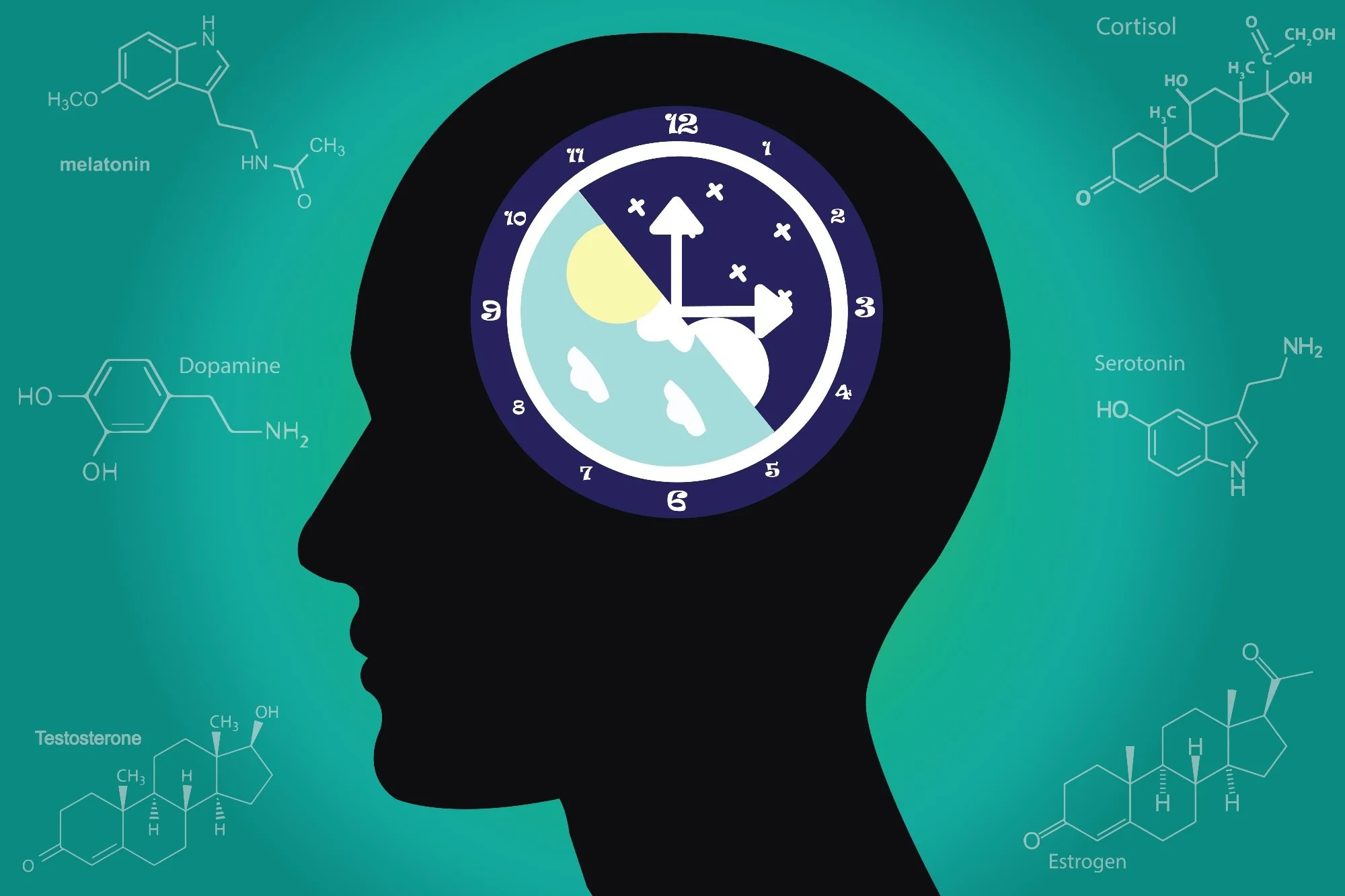
Sleep Patterns and Hormones
Sleep Patterns and Hormones: How Are They Connected?
Sleep is one of the most important biological processes for physical and mental well-being. While sleep may seem like a simple period of rest, it is actually controlled by a complex interaction between the brain, hormones, the nervous system, and the body's internal biological clock.
Hormones such as melatonin, cortisol, and growth hormone play important roles in regulating sleep timing, nighttime recovery, and the body's daily rhythm. When sleep patterns become irregular, these biological processes can also be affected.
Understanding the connection between sleep patterns and hormones can help explain why maintaining a consistent sleep routine is so important.
How Do Hormones Affect Sleep?
Hormones act as chemical messengers that help coordinate different processes throughout the body. Several hormones change naturally throughout the day and night.
Some hormones help the body become alert in the morning, while others signal that it is time to relax and prepare for sleep.
Important hormones and biological signals related to sleep include:
- Melatonin
- Cortisol
- Growth hormone
- Adenosine
- Thyroid hormones
- Sex hormones
Each has a different role, and they work together rather than functioning independently.
Melatonin and Sleep
Melatonin is one of the best-known hormones associated with sleep. It is produced primarily by the pineal gland and is strongly influenced by darkness.
As evening approaches, melatonin production generally increases, helping signal to the body that nighttime is approaching. Exposure to bright light, especially at night, can suppress melatonin production and affect the timing of the body's sleep signal.
Melatonin is therefore particularly important for regulating sleep timing and the circadian rhythm.
Cortisol and the Sleep-Wake Cycle
Cortisol is commonly known as the stress hormone, but it also has an important role in normal daily rhythms.
Cortisol levels generally follow a predictable pattern, with levels typically rising around the time of waking and gradually decreasing later in the day.
This pattern helps support daytime alertness. If stress, irregular schedules, or other factors interfere with normal sleep and circadian rhythms, the relationship between cortisol and sleep can also be affected.
Growth Hormone During Sleep
Growth hormone is another important hormone associated with sleep. It is released in pulses, with significant secretion often occurring during deep sleep.
Growth hormone contributes to:
- Tissue growth and repair
- Muscle development
- Bone health
- Metabolic processes
- Recovery from physical activity
This is one reason why adequate, high-quality sleep is particularly important for children and adolescents, whose bodies are undergoing significant growth and development.
Sleep and Sex Hormones
Sex hormones such as estrogen, progesterone, and testosterone can also interact with sleep.
Hormonal changes throughout life may influence sleep patterns. For example, changes associated with the menstrual cycle, pregnancy, menopause, and aging can affect sleep for some people.
In men, testosterone levels also follow a daily pattern and are influenced by sleep and overall health.
The relationship works in both directions: hormones can affect sleep, while insufficient or disrupted sleep can also influence hormonal regulation.
The Circadian Rhythm and Hormones
The circadian rhythm is the body's internal approximately 24-hour biological clock. It helps coordinate sleep, wakefulness, body temperature, hormone release, metabolism, and other physiological processes.
Light is one of the most powerful signals that helps synchronize this internal clock.
During the day, exposure to natural light supports alertness and helps establish the timing of the circadian system. At night, darkness encourages the biological signals associated with sleep.
How Poor Sleep Can Affect Hormones
Sleep deprivation and irregular sleep schedules can affect several hormonal and metabolic processes.
Poor sleep may be associated with changes in:
- Cortisol regulation
- Appetite-related hormones
- Insulin sensitivity
- Growth hormone secretion
- Reproductive hormone regulation
These changes may contribute to increased hunger, reduced energy, difficulty concentrating, and changes in metabolic health.
However, the effects vary from person to person and can depend on the duration and severity of sleep disruption.
How to Support Healthy Sleep and Hormone Rhythms
Healthy sleep habits can help support the body's natural hormonal patterns.
Maintain a Consistent Sleep Schedule
Going to bed and waking up at similar times each day can help keep the circadian rhythm synchronized.
Get Natural Light During the Day
Daytime exposure to natural light can help reinforce the body's internal clock and distinguish daytime from nighttime.
Reduce Bright Light Before Bed
Lowering exposure to bright lights and screens in the evening can help create an environment that supports the body's natural preparation for sleep.
Exercise Regularly
Regular physical activity can support sleep quality and overall health. However, intense exercise immediately before bedtime may be stimulating for some people.
Create a Relaxing Evening Routine
Reading, gentle stretching, breathing exercises, or other relaxing activities can help prepare the body and mind for sleep.
Keep the Bedroom Sleep-Friendly
A dark, quiet, and comfortable bedroom can make it easier to maintain good sleep habits.
Does Sleeping Longer Always Mean Better Hormonal Health?
Not necessarily. Sleep quality and regularity are important alongside sleep duration.
Most adults generally need around 7–9 hours of sleep per night, although individual needs vary. Children and teenagers typically require more sleep.
Consistently sleeping too little can interfere with recovery and daily functioning, while excessive sleep may sometimes be a sign of an underlying issue.
When Should Sleep Problems Be Evaluated?
Occasional difficulty sleeping is common. However, persistent problems such as chronic insomnia, loud snoring, repeated nighttime awakenings, excessive daytime sleepiness, or major changes in sleep patterns may require professional evaluation.
Sleep problems can have many possible causes, including stress, medications, medical conditions, lifestyle factors, and sleep disorders. They should not automatically be attributed to a hormonal imbalance.
Yorumlar