.webp)
Leptin and Ghrelin: The Hunger and Fullness Hormones
Leptin and Ghrelin: The Hunger and Fullness Hormones
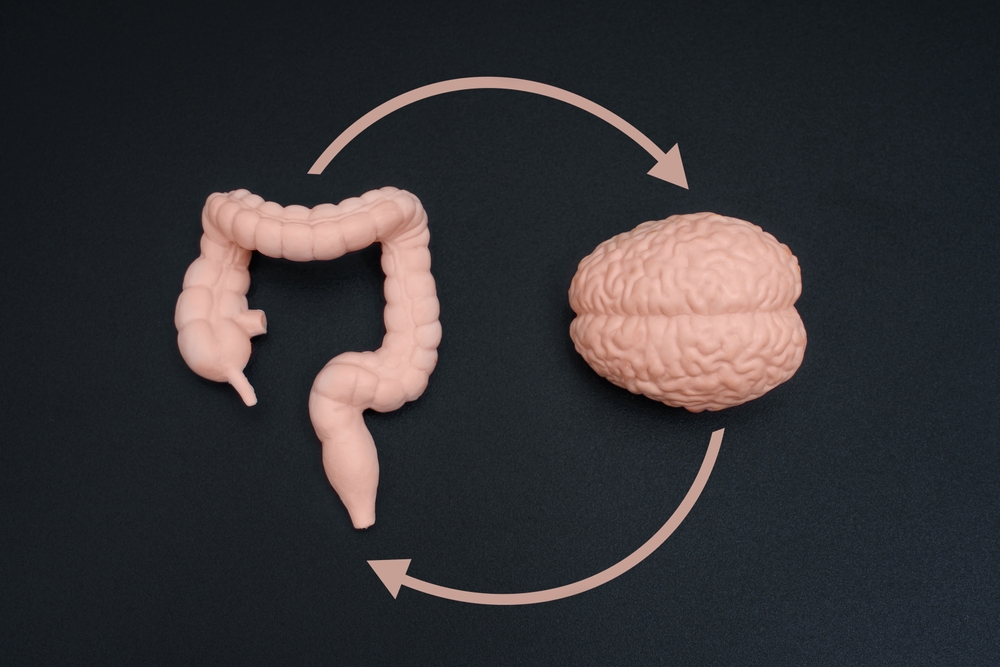
Hunger and fullness are not controlled by willpower alone. The body uses a complex communication system involving the brain, digestive system, fat tissue, and several hormones to regulate appetite and energy balance.
Two of the most well-known hormones involved in this process are leptin and ghrelin. Ghrelin is commonly associated with hunger and meal initiation, while leptin provides signals related to energy stores and helps regulate appetite over the longer term.
Understanding how leptin and ghrelin work together provides useful insight into hunger, fullness, body weight, and metabolic health.
What Is Ghrelin?
Ghrelin is a hormone produced mainly in the stomach and other parts of the gastrointestinal tract. It is often called the “hunger hormone” because ghrelin levels typically rise before meals and fall after eating.
Ghrelin communicates with areas of the brain involved in appetite regulation and can increase the motivation to seek and consume food.
Its functions include:
- Stimulating hunger
- Influencing meal timing
- Supporting energy balance
- Affecting gastrointestinal activity
- Interacting with the brain's reward system
Ghrelin is therefore an important part of the body's system for responding to energy needs.
What Is Leptin?
Leptin is a hormone produced primarily by fat cells. It provides the brain with information about the amount of energy stored in body fat.
When energy stores are sufficient, leptin signaling can help reduce food intake and support energy balance.
For this reason, leptin is sometimes called the “fullness hormone.” However, its role is more accurately described as a long-term signal of energy availability rather than a simple switch that turns hunger off.
How Do Leptin and Ghrelin Work Together?
Leptin and ghrelin have different but complementary roles.
Ghrelin: “It Is Time to Eat”
Ghrelin generally increases when the body is preparing to eat. Higher ghrelin activity can increase hunger and encourage food-seeking behavior.
Leptin: “Energy Stores Are Available”
Leptin communicates information about stored energy and helps regulate appetite over a longer period.
Together, these signals help the brain balance food intake with the body's energy requirements.
Leptin Resistance and Appetite
One important concept in metabolic health is leptin resistance.
In some people with obesity, leptin levels can be relatively high because there is more adipose tissue producing the hormone. However, the brain may not respond to leptin signals as effectively as expected.
This situation is called leptin resistance.
Leptin resistance is a complex biological process involving several factors, and it is not simply a matter of having “too much leptin.”
Ghrelin and Weight Loss
Changes in body weight can influence ghrelin levels. During weight loss, the body may increase hunger signals, including ghrelin, as part of its biological response to reduced energy availability.
This is one reason maintaining weight loss can be challenging for some people.
The body has powerful mechanisms designed to defend its energy stores, and appetite hormones are part of those mechanisms.
How Sleep Affects Leptin and Ghrelin
Sleep is closely connected to appetite regulation.
Insufficient sleep may affect hormones and brain systems involved in hunger and food intake. Research has found associations between sleep restriction, appetite changes, and alterations in leptin and ghrelin signaling.
Poor sleep can also increase fatigue, which may make it more difficult to maintain regular physical activity and healthy eating habits.
Maintaining adequate, consistent sleep is therefore an important part of supporting healthy appetite regulation.
Leptin, Ghrelin, and Food Choices
Hunger is influenced by much more than hormones. Food availability, habits, emotions, stress, social situations, and environmental cues can all affect eating behavior.
Highly palatable foods can strongly activate the brain's reward systems, while eating quickly may make it harder to notice fullness signals.
Hormones such as leptin and ghrelin are therefore only part of a much larger appetite-regulation network.
How to Support Healthy Appetite Regulation
There is no simple method for “resetting” leptin or ghrelin. However, several healthy habits can support overall metabolic and appetite regulation.
1. Prioritize Adequate Sleep
Consistent, high-quality sleep can support healthy appetite regulation and metabolic function.
2. Eat Balanced Meals
Meals containing protein, fiber-rich foods, healthy fats, and minimally processed carbohydrates can contribute to satiety and stable energy levels.
Examples include:
- Vegetables
- Fruits
- Whole grains
- Beans and lentils
- Eggs
- Fish
- Lean meats
- Nuts and seeds
3. Eat Mindfully
Eating slowly and paying attention to hunger and fullness cues can make it easier to recognize when enough food has been consumed.
4. Exercise Regularly
Physical activity supports metabolic health and can influence appetite, energy expenditure, and body composition.
5. Avoid Extreme Dieting
Very restrictive diets can increase hunger and make long-term adherence difficult. Sustainable eating patterns are generally more practical for maintaining healthy body weight.
Leptin and Ghrelin During Aging
Hormonal regulation changes throughout life. Aging can influence appetite, body composition, physical activity, and metabolic function.
Older adults may experience changes in hunger and appetite for many reasons, including hormonal changes, medications, medical conditions, reduced activity, and changes in taste or smell.
Therefore, appetite changes should be considered in the context of overall health.
Are Leptin and Ghrelin the Only Hunger Hormones?
No. Appetite regulation involves a large network of hormones, neurotransmitters, and signals.
Other important factors include:
- Insulin
- Cholecystokinin (CCK)
- Peptide YY (PYY)
- GLP-1
- Neuropeptide Y
- Brain reward pathways
These systems interact continuously to regulate hunger, fullness, food intake, and energy balance.
When Should Appetite Changes Be Evaluated?
Occasional changes in hunger are normal. However, persistent or unexplained changes in appetite or body weight may deserve professional evaluation.
A healthcare professional can consider factors such as nutrition, sleep, medications, stress, thyroid function, metabolic health, and other possible causes.
Yorumlar